A couple of years ago I wanted to take my astronomy hobby more seriously. I quickly realized that doing deep‑sky imaging on my own is not trivial: you need equipment, dark skies, experience — and above all, clear weather at the right time. Still, I wanted to observe and also keep proper notes of the objects I saw.
When my own imaging felt difficult, I started looking for alternatives. That’s how I discovered Slooh, a service that lets you use remote observatory telescopes over the internet.
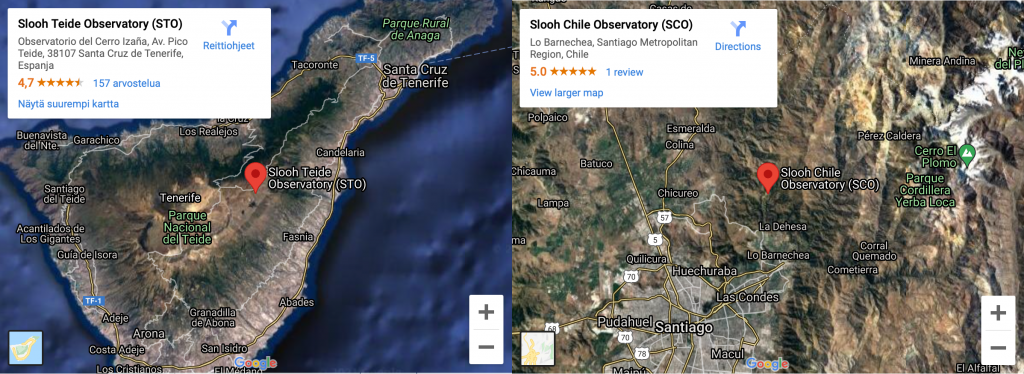
Today Slooh operates two main observatory sites in locations with excellent seeing and many clear nights. In Tenerife, on the slopes of the Teide volcano at an altitude of 2,372 meters above sea level, there are six telescopes. The largest of them has a primary mirror of over half a meter (20 inches). In Chile, La Dehesa has four telescopes at an altitude of 1,450 meters, the largest of which is a 17-inch telescope, which has produced some really great images.
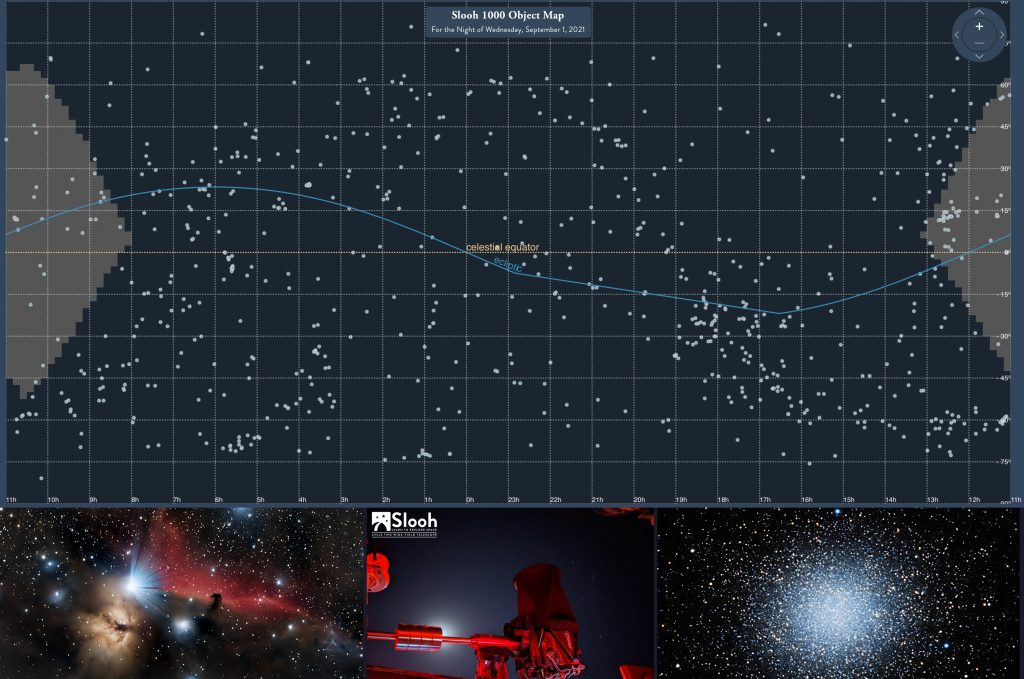
Anyone can start an astronomy hobby
As a teacher, I especially appreciate how approachable the platform is. You can select a target, reserve an observing slot, and receive your images for download. Slooh also encourages users to publish their observations so others can view and learn from them.
Appetite grows with eating
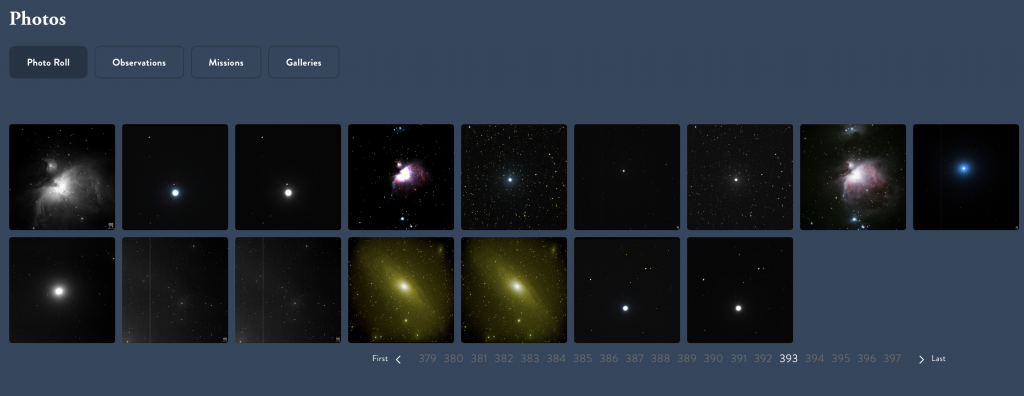
At the beginner level I started with short five‑minute observations, which are easy to schedule. The downloaded files were PNG images, and even with post‑processing it can be hard to push them far — but they were a great way to learn.
Very soon I upgraded to the annual plan (around 100 USD at the time). That opened more observing opportunities and a more systematic workflow. A typical session could include multiple exposures through different filters.
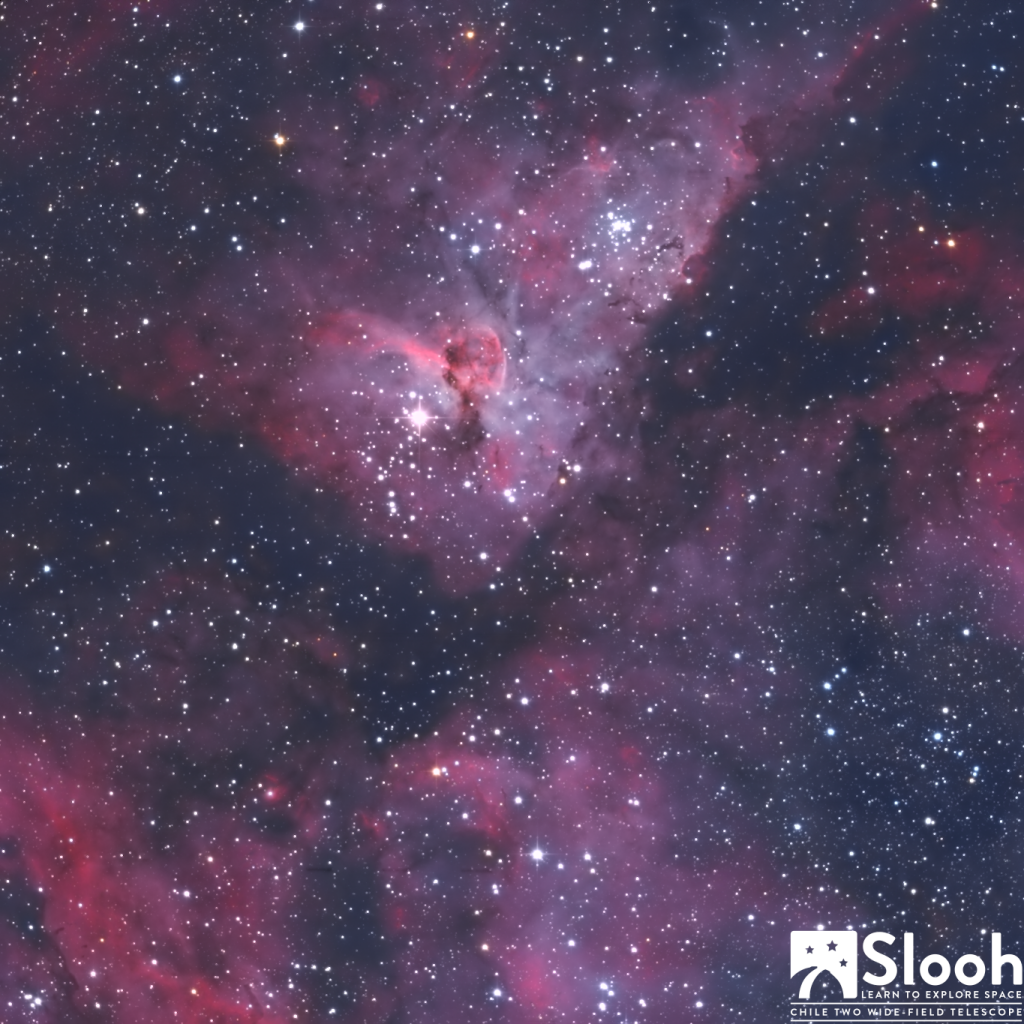
The next step was a further upgrade (around 300 USD per year). As a friend of mine noted: that’s less than one euro per day — and for me it moved the hobby to a completely new level. With more time and more data, results improve quickly.
Slooh opens its site for school students
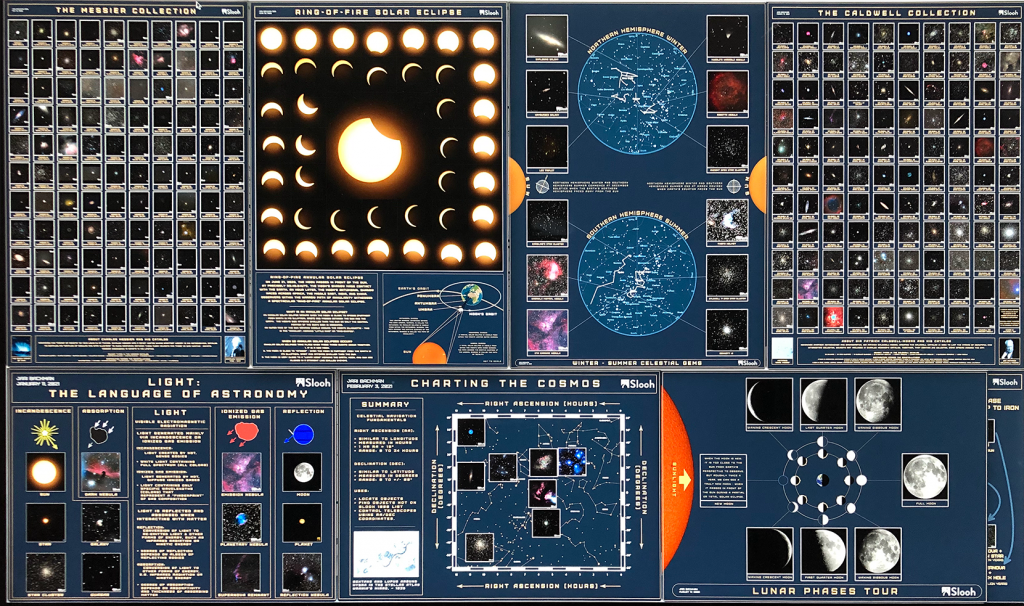
This is a fantastic platform for schools: students can explore real astronomical targets, learn how observations are planned, and build their own image projects. I sincerely hope that science classes in Finland will also find this — and perhaps even apply for small grants to use it.