Starimage processing
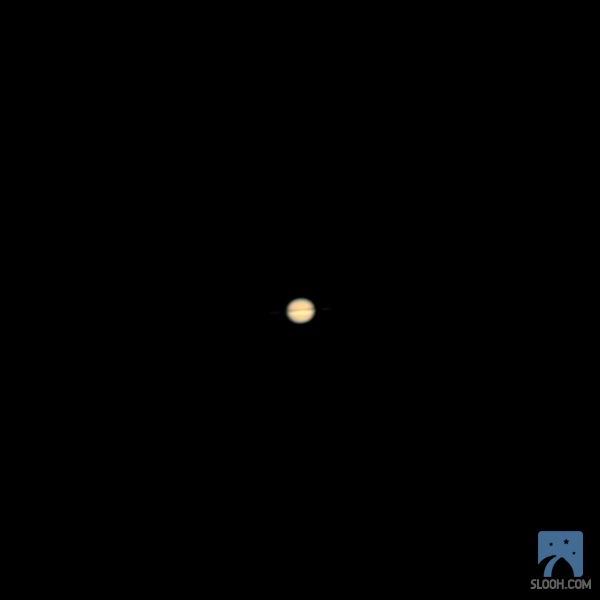
This image of Saturn is a single image produced by the Slooh telescope, where the only image processing is Slooh's own patented system. This way, the user can in real time easily get a usable PNG image immediately.
As a beginner
As a beginner, the biggest challenge was learning to use the telescopes with the Slooh operating system. As always for beginners, I wasn't really sure what to do in each place. In order not to cause too much damage (that would have been impossible) I was allowed to reserve a one five-minute mission at a time and was also able to 'piggyback' on five missions of other members. So at best, I got six images processed by the Slooh system in one night. From the screenshot below we can see that making a reservation is not difficult.

In addition to 'your' and 'piggybacked' images, during the observatory's operation you can follow the object photographed by each telescope and, with good luck, capture for yourself a good image without using your quota. This way, the object following becomes interesting and often gives good ideas for your own work.
As a trainee
At first, the images were great as they were, but the images based on a single observation were modest, especially for deep sky objects. In such a community, learning things can happen faster when you get to see the work of more experienced colleagues. Very quickly I decided to move up to the $100 annual trainee level (now $200), where I could reserve the same shift at a time (and still ride five).
But this time the result was four monochrome images, like quality telescopes. The images were taken with an exposure time of less than a minute through four filters. One brightness image (L), one that only let in light in the red wavelength (R), one in the green (G) and one in the blue (B).
And now the action has moved to a whole other level, when these images are combined. The Slooh website has its own image editing program and there is a good guide for it. But there are also stellar image processing programs available in both free and paid versions. I myself went to test Pixinsight, which offered a three-month free trial with the full version. The program has a steep learning curve, but there are many guides and videos online to help you study.
Finally, after half a year, I decided to buy the program, which cost around 300 euros.
As an astronomer
And when I started to get good momentum, getting new images every day, I noticed that after being a member for a year, I had upgraded myself to the Slooh astronomer level (how great that sounds!), which gives you five personal missions (and those five piggybacks). The annual fee for this level was 300 USD, now 500 USD.
AutoIntegrate - Finnish programming skills
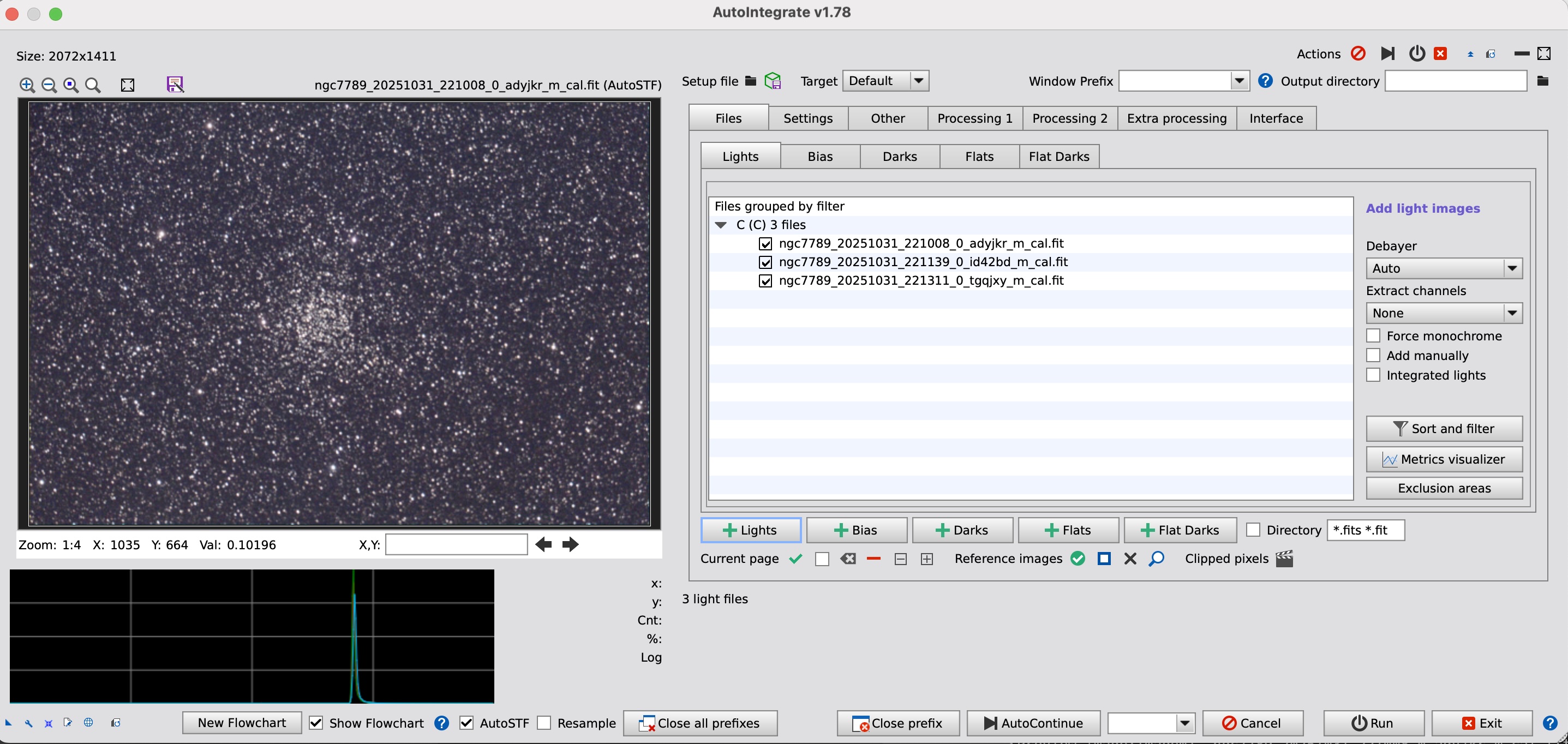
Pixinsight's image processing processes can be programmed with various script programs, and over the years, Jarmo Ruuth has made a very handy script program called AutoIntegrate. Jarmo, whom I met at Slooh, is constantly updating his program, and it makes using Pixinsight much easier and smoother.
And this script application is free of charge