Slooh teaches Astronomy
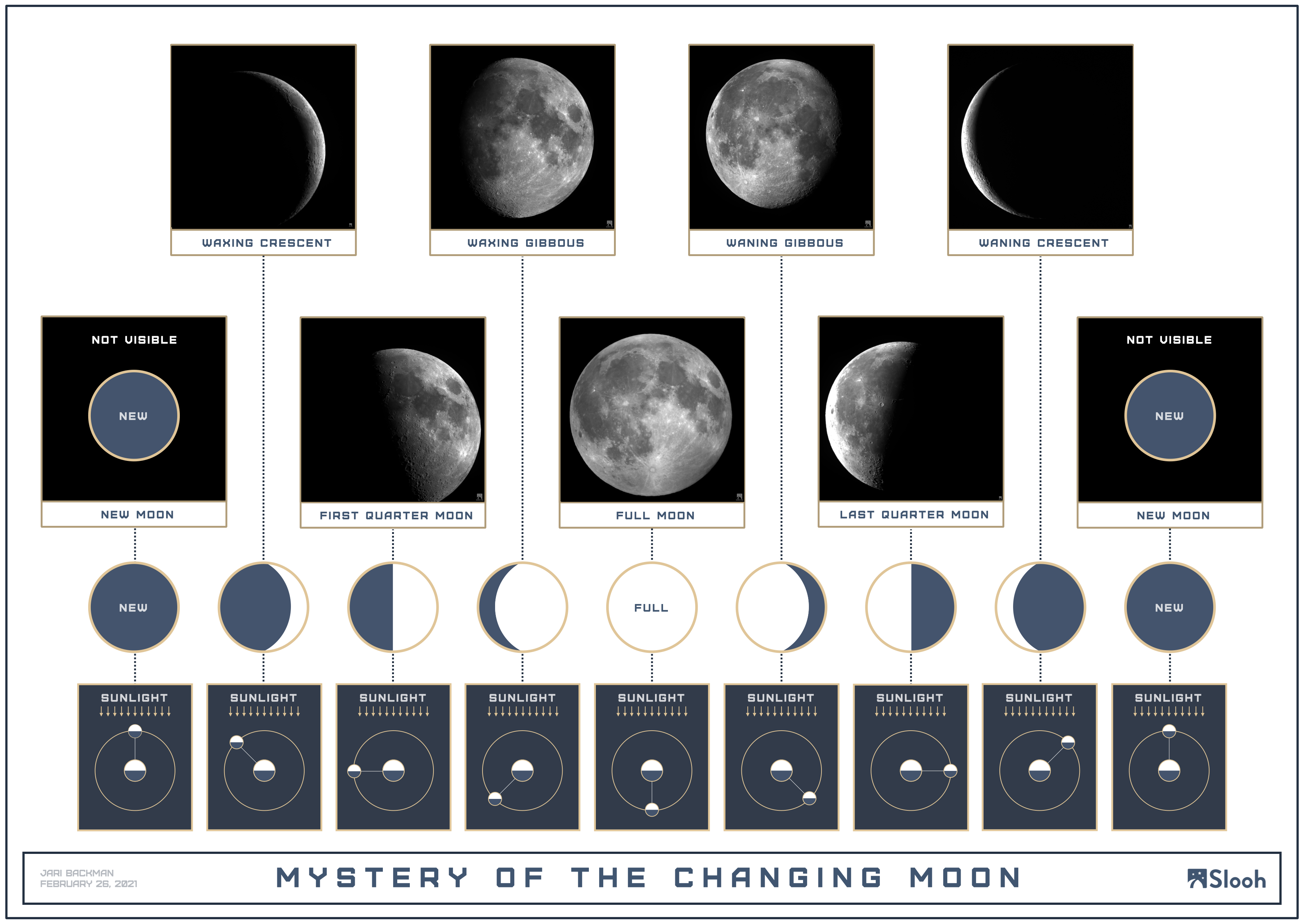
As a teacher myself, I want to strongly highlight Slooh's educational goals. And the target group is schoolchildren. The site has separately discussed 1000 significant celestial objects and the guides also discuss astronomy techniques. In addition, members receive membership points for their hobby and move up within the site.
But what children are learning is also available to adults wanting to learn about Celestial phonomena. And that is evident fromthe various workspace rooms wiyh exhibiting observations, answering questions and mutually encouraging in this fascinating hobby.
Members can participate in learning tasks, where they gain deeper knowledge of the celestial and solar system objects while being guided to photograph them. Members are also encouraged to upload their observations to the site, where they can be shared with others. This is an absolutely great platform for schoolchildren to use and I hope as many people as possible realize this.
There are currently close to 100 different Quests available to you, where you can collect posters and attraction points based on your own observations. Without revealing too much about the posters that will be available, I have only listed a few here. The duration of the tasks varies from hours to months, depending on the telescope reservations required for them. And some take place during a phenomenon, such as the solar eclipse of summer 2020, which will be presented next, so they can only be done then.
Ring of Fire - Solar Eclipse 6/2020
This search was planned for the Midsummer solar eclipse. Starting at 8 am (in Finland), Slooh organized a live star party, which members will participate in via Zoom. Since the Canary and Chilean observatories were not within reach of the eclipse, the sun was seen through the Indian and Middle Eastern Friendship Observatories. Unfortunately, the weather was not in India's favor, but we got a good image from Sharjah, United Arab Emirates. From there I couldn't get to the narrow maximum band, but I still got over a hundred images in an hour and a half, which filled the 41 frames of the task. The eclipse starts in the middle and spirals counterclockwise all the way to the top left corner.
